01RECORDED
Verified
Papers, authors, venues, awards, dates, and source links.
CHI Community Memory Infrastructure
A source-linked journey through Tangible Bits at CHI ’97—designed to hold public evidence, personal memory, relationships, and absence without collapsing them into one story.
Explore the evidencePublic metadata is real · personal memory remains uncollected
01 · WHAT THIS PROTOTYPE NOW PROVES
From archive browser to memory infrastructure
CHI Memory keeps four epistemic layers visible. A publication can be verified. A recollection must be attributed. A relationship must be reviewed. An absence must never be silently filled by AI.
Papers, authors, venues, awards, dates, and source links.
Oral memory, photographs, sketches, objects, and revisions.
Collaboration, influence, disagreement, and shared experience.
Lost, unknown, disputed, or deliberately withheld material.
Design principleThe interface should reveal what is known, who said it, who confirmed it, who can see it, and whether it can be withdrawn.
02 · TEMPORAL LAYERS
A small, traceable seed dataset
Ten source-linked public records establish the trajectory. Three concept traces show where attributed memory, relational consent, and absence would enter—without pretending those materials exist.
03 · CONCEPTUAL IMAGE STUDIES
Interaction atmosphere, clearly labeled
These images remain speculative studies. They are separated from the real-case archive and never presented as historical evidence.
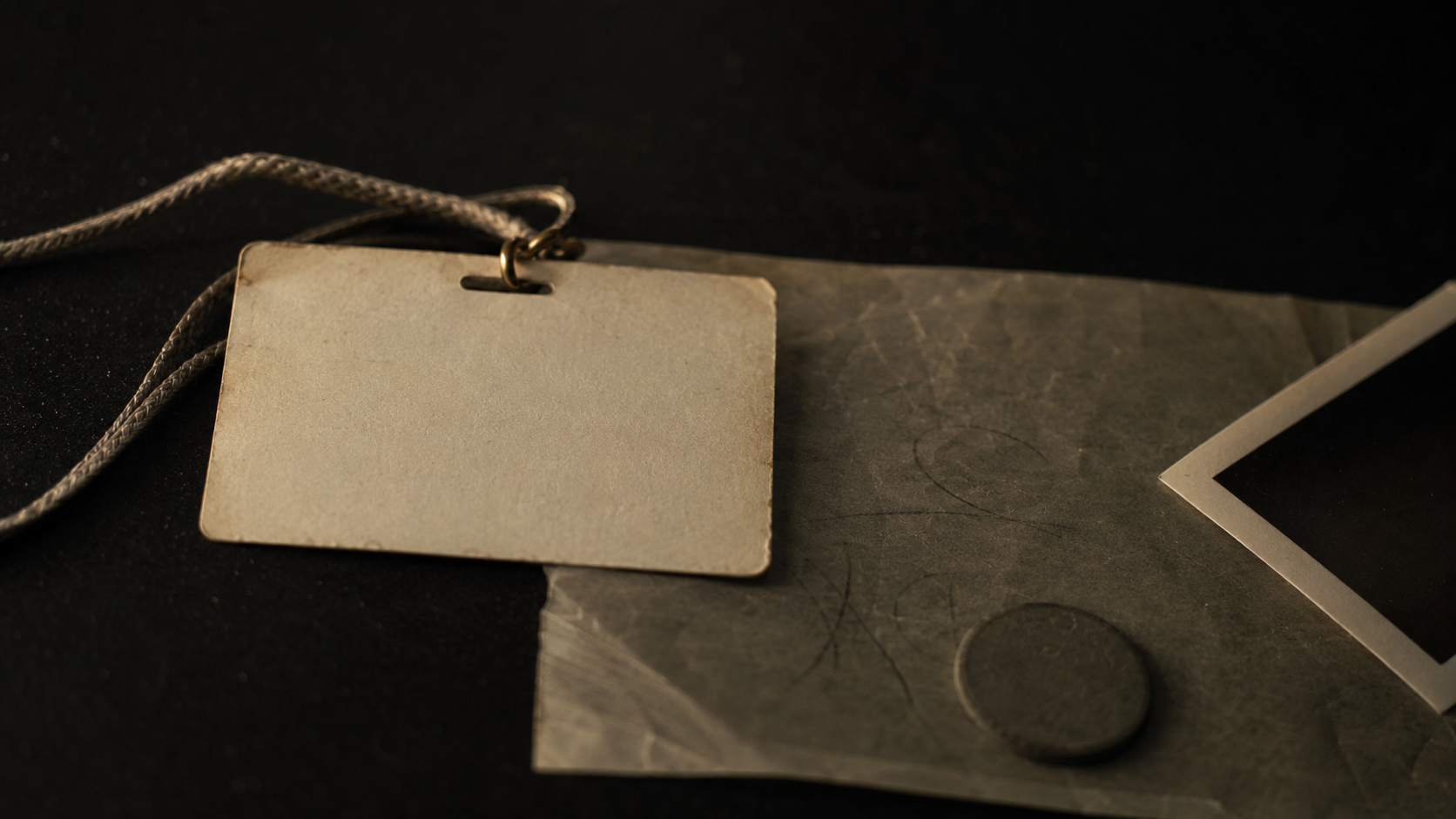
Paper, objects, photographs, and marks do not illustrate a finished story. They give a contributor something real to return to.
Concept imagery · design exploration only · not archive material
04 · FIRST EXPLORABLE JOURNEY
Hiroshi Ishii · Tangible Bits · CHI 1997
This journey is real where the public record is real, and visibly unfinished where personal contribution and consent are still needed.
The CHI ’97 paper is the verified starting point: title, authorship, venue, pages, and DOI. It anchors the journey without claiming to explain what the moment meant to the people involved.
Explore each layer · no personal memory is simulated
05 · WEAVE A MEMORY
AI inference made inspectable
Select two or three materials. The interface separates source-backed facts, missing recollection, and machine inference before any relation can enter the shared archive.
Tangible Bits at CHI ’97 are supported by linked public records.
No transcript or personal account has been contributed. The slot remains empty.
Temporal proximity may suggest a connection. It does not establish influence, intention, or personal significance.
No invented events. No synthetic persona or cloned voice. No surrogate consent. No single algorithmic verdict on whose memory is correct.
06 · BUILD STATUS & NEXT VALIDATION
Evidence before expansion
The prototype now makes provenance, uncertainty, and review visible. The next milestone is not more content—it is one consented contributor journey and evidence that people understand the distinctions.
Defined the recorded, recalled, relational, and absent memory layers.
Built a source-linked public record around Tangible Bits and its trajectory.
Confirm the first contributor, materials, visibility boundaries, and interview prompt.
Test whether provenance, AI suggestions, and absence are understood without explanation.
One contributor · one 10–15 minute memory interview · 3–5 verified anchors · 1–3 personal traces · one reviewed relation · one future question
DECISIONS FOR THE NEXT MEETING
A living archive should not finish the past’s story. It should let us meet it at a distance—and continue with better questions.
CHI Memory · working research prototype · September 2026